When we touch each other’s words,
it is this blind communion
of starfish clasping in the dark.
Down under the sea in a bed like ours,
two hands have forgotten
their unnecessary bodies.

When we touch each other’s words,
it is this blind communion
of starfish clasping in the dark.
Down under the sea in a bed like ours,
two hands have forgotten
their unnecessary bodies.
The night came in wet droves. I slipped out of the house to walk barefoot in its fingers. “Moonlight is good for the feet,” my slenderest aunt had always said.
Then I noticed that each blade of grass was a recluse. Pushed up against each other, snaking around each other, they were tortured hermits. Forced to be together against their innermost nature.
I began pulling up clumps of wet grass. Throwing them, liberating them. It was like laying monks on their backs in small boats barely larger than their bodies, one monk per boat, and pushing them onto the night sea.
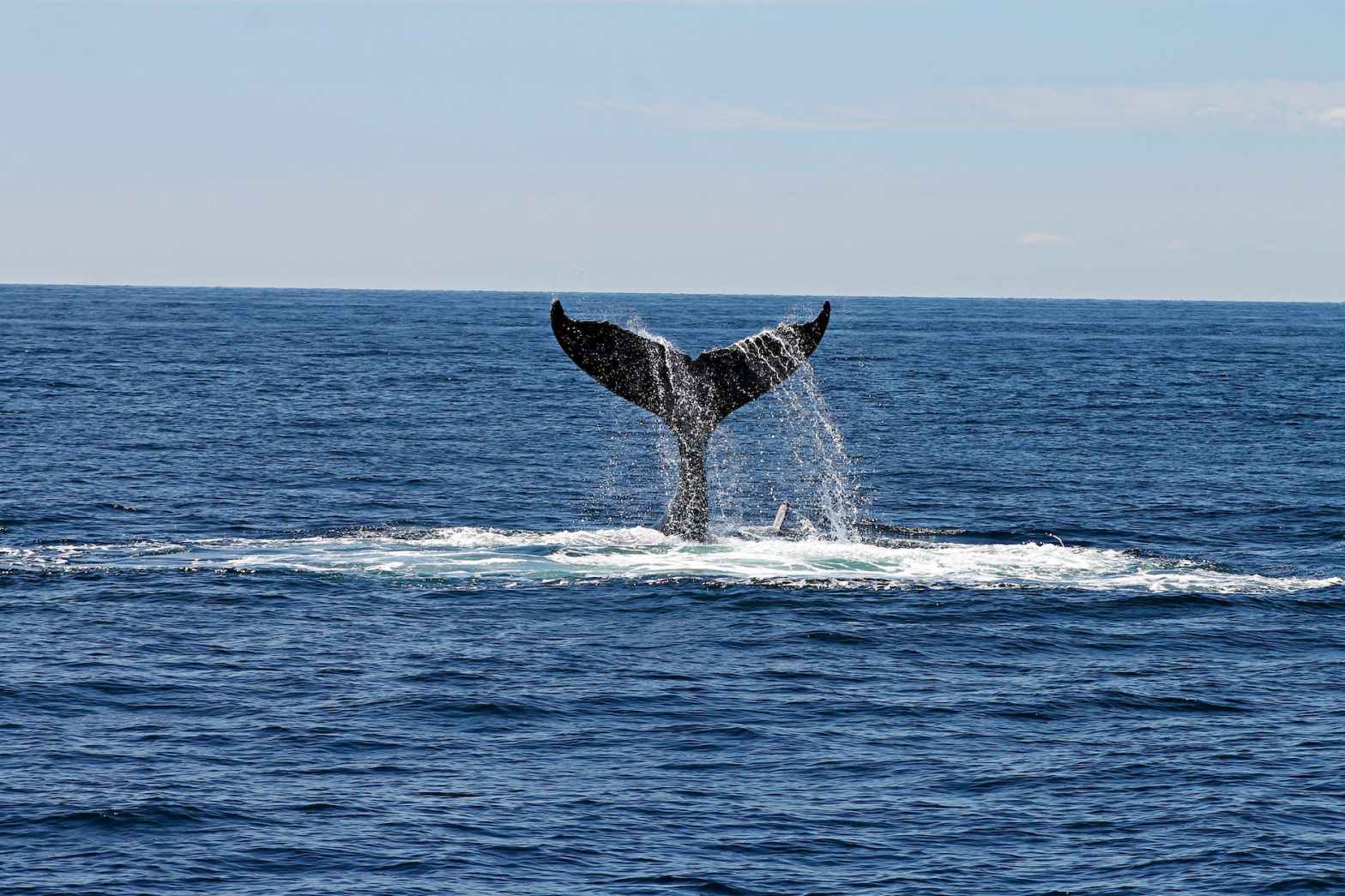
But there were so many tortured souls that I soon gave up. I walked on their bodies saying nothing then, what a rat, going deeper into the night. I thought of the monks drifting further apart on the dark sea, looking up at the stars from their wandering beds. When they would finally look over their gunwale they might see a whale spouting lazily with a piglike sound. But no monks. No monks at last.

I tried to explain the paint to itself. It cracked into a thousand countries while I talked on and on. I did not want you to know I was secretly building an Armada. I kept it in a forest behind the motel.
The quiet conversations that occur between greens filled the window. But was it really a window? Nobody looking through it was sure. Even just looking at it, we felt like imposters.
The children who live under the earth prepared to celebrate Christmas. This was the Other Earth, Other Christmas. Weirdly enough, through the moonlit snow, we heard the bells far below our feet. They were shaking them into voices.
But then they must have heard us listening, because they stopped.
Maybe you will find this film as ensorceling as I did. Robert Lax’s poetry is an extreme case of asymptotic minimalism, a poetry that gets as close to silence as one can if one is going to still use words at all. I realize his poetry’s not for everyone (is any poetry for everyone?). I like visiting it but I wouldn’t want to live there in that sort of radically pared down aesthetic. But I do go through periods where revisiting his work helps to liberate something in me. All that white space of the page and permission not to talk, talk, talk is liberating. It’s not surprising to learn that his life was spare the way his poems were. But this short film shows us exactly how spare and many might find that degree of austerity surprising. I have not read his biography so I don’t know all the spiritual apparatus (his long friendship with Merton, etc.) but you do get the sense that you are picking up that spirituality through his poems, listening to Lax speak them and talk about them. Also, I found this visually appealing, the starkness of the black and white suiting the austerity of Lax’s domicile and even his very face which looks like that of an ascetic of yore. The black and white highlights his island-weathered face like an Ansel Adams full-frame photograph showing off a mountain’s crevices in glorious detail. And he fed those feral Greek cats of Patmos, which was very sweet of him. I bet they missed him when he was gone,
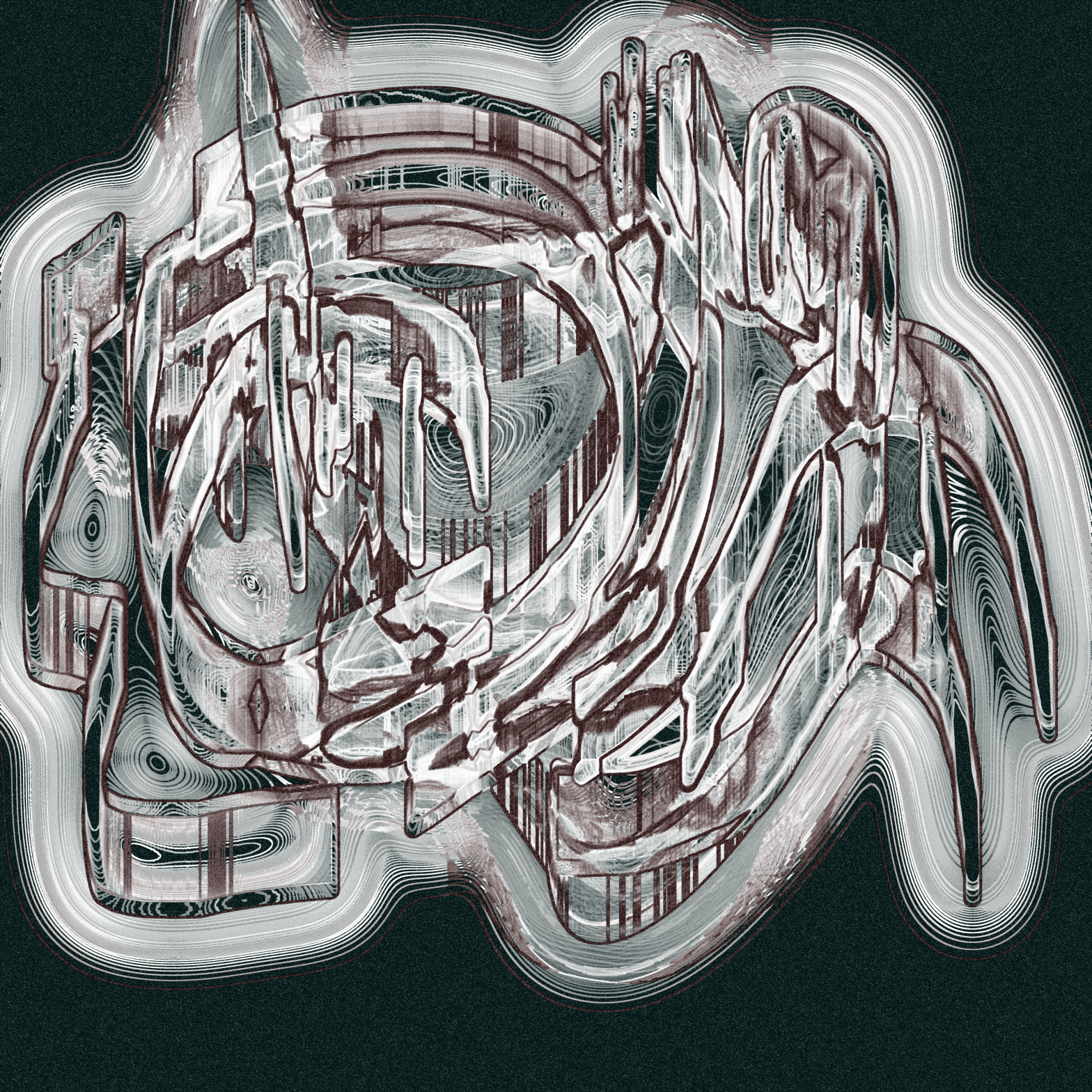
I try to create visual art every day. Usually a minimum of three pieces.
This is a digital elaboration of what was originally a very simple line drawing.

Elaine Equi
always struck me as a poet
who should have been in Joy Division.
She grew up in the right years,
has the look and her books
seem to fit the Nembutal bass lines
of the darkly throbbing songs.
Her poems feel like winter
more than any other season,
and so does Joy Division.
Later, she would have segued
to New Order, probably on keyboards.
Later, when I lose my mind
I will tell people she was actually
in Joy Division, like a fun fact
because I will believe it by then.
I see her beside Ian Curtis more
and more each day. She appears to be
growing more comfortable there.
This is an example post, originally published as part of Blogging University. Enroll in one of our ten programs, and start your blog right.
You’re going to publish a post today. Don’t worry about how your blog looks. Don’t worry if you haven’t given it a name yet, or you’re feeling overwhelmed. Just click the “New Post” button, and tell us why you’re here.
Why do this?
The post can be short or long, a personal intro to your life or a bloggy mission statement, a manifesto for the future or a simple outline of your the types of things you hope to publish.
To help you get started, here are a few questions:
You’re not locked into any of this; one of the wonderful things about blogs is how they constantly evolve as we learn, grow, and interact with one another — but it’s good to know where and why you started, and articulating your goals may just give you a few other post ideas.
Can’t think how to get started? Just write the first thing that pops into your head. Anne Lamott, author of a book on writing we love, says that you need to give yourself permission to write a “crappy first draft”. Anne makes a great point — just start writing, and worry about editing it later.
When you’re ready to publish, give your post three to five tags that describe your blog’s focus — writing, photography, fiction, parenting, food, cars, movies, sports, whatever. These tags will help others who care about your topics find you in the Reader. Make sure one of the tags is “zerotohero,” so other new bloggers can find you, too.

 FICTIONESE